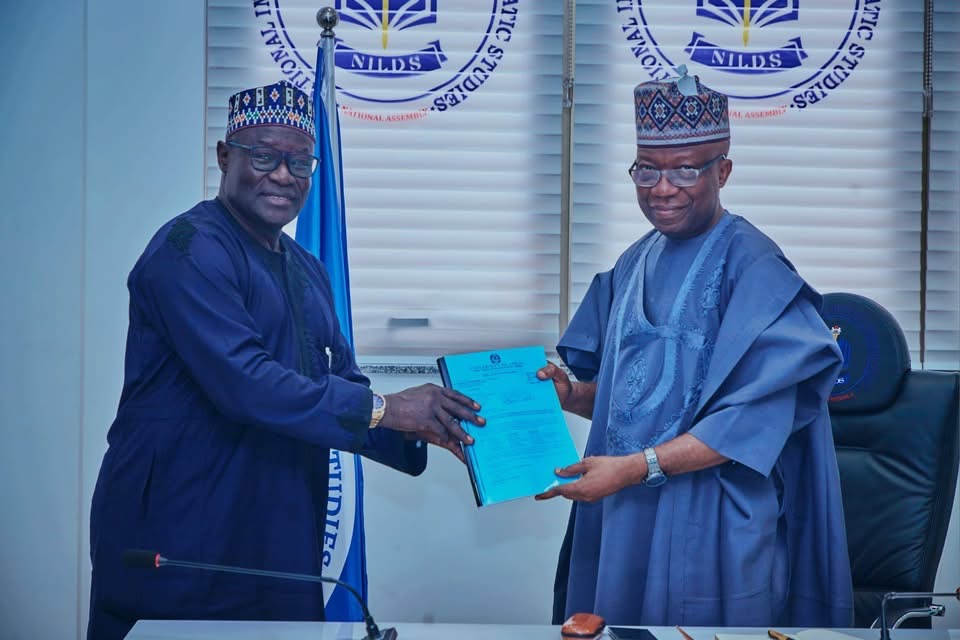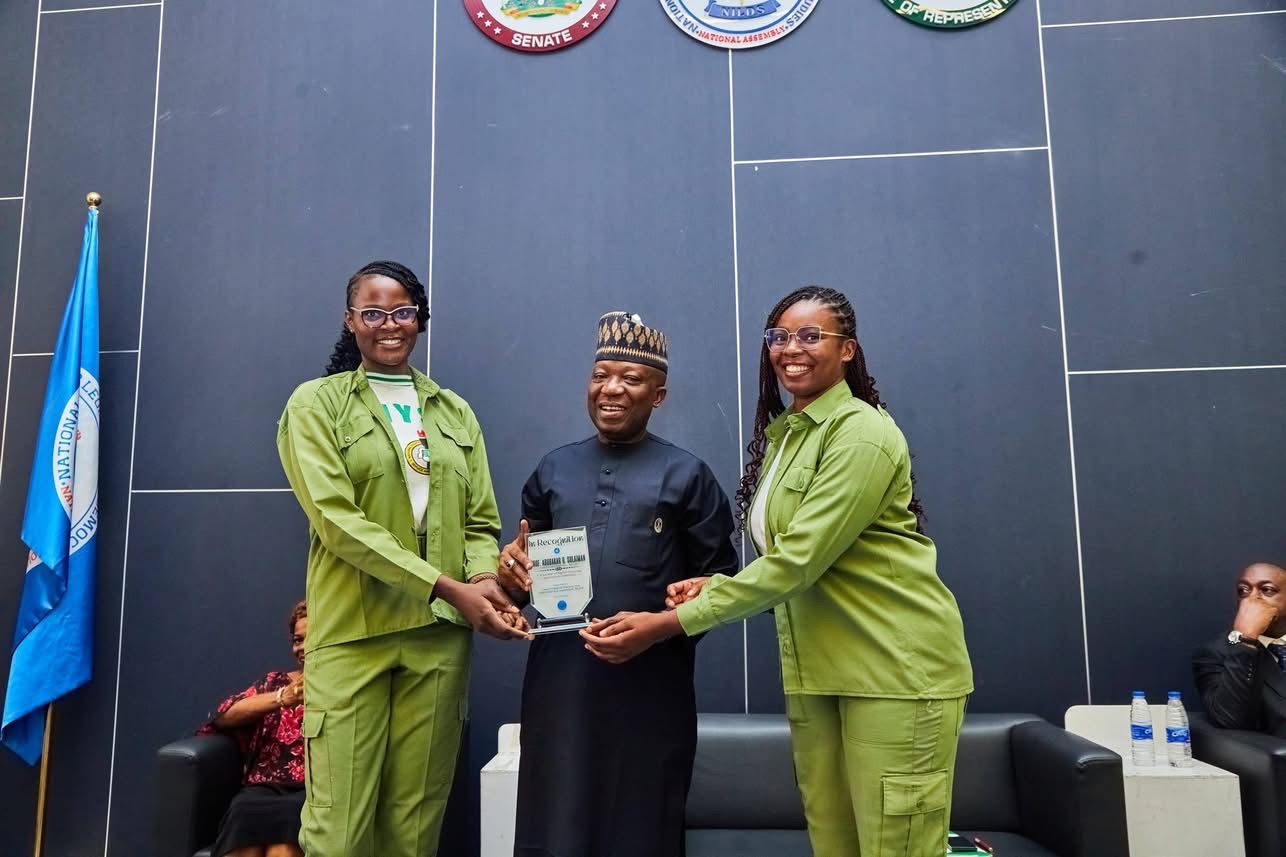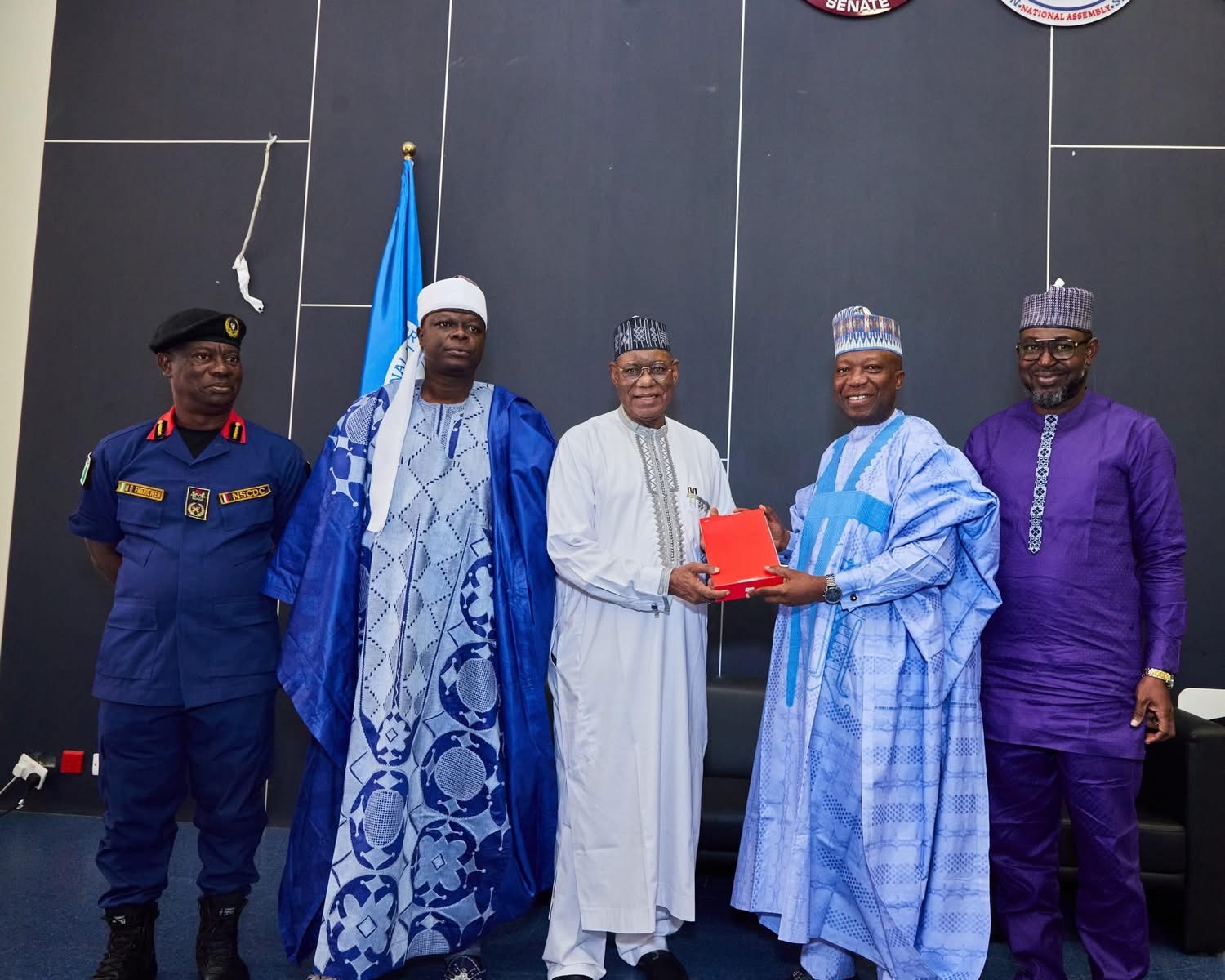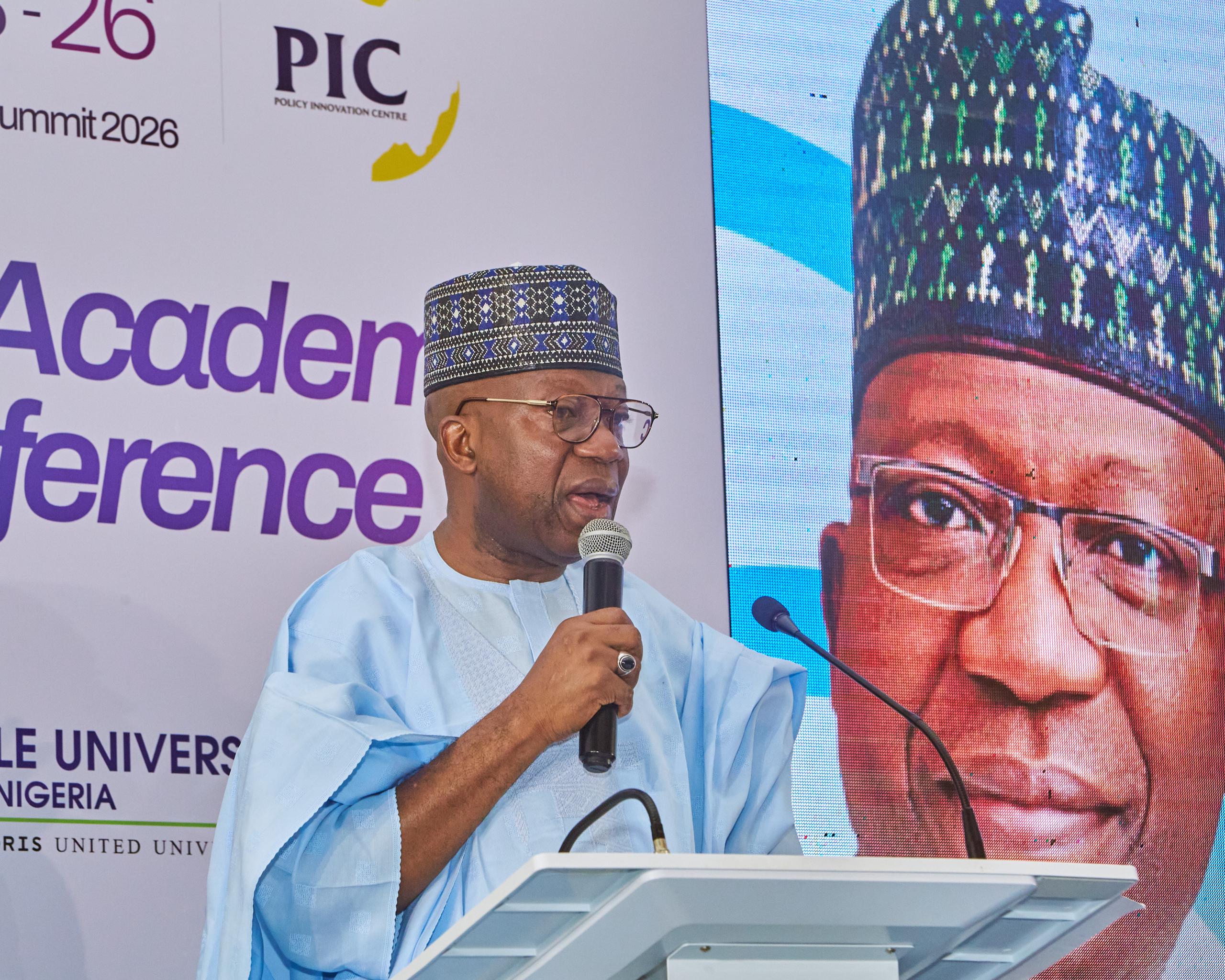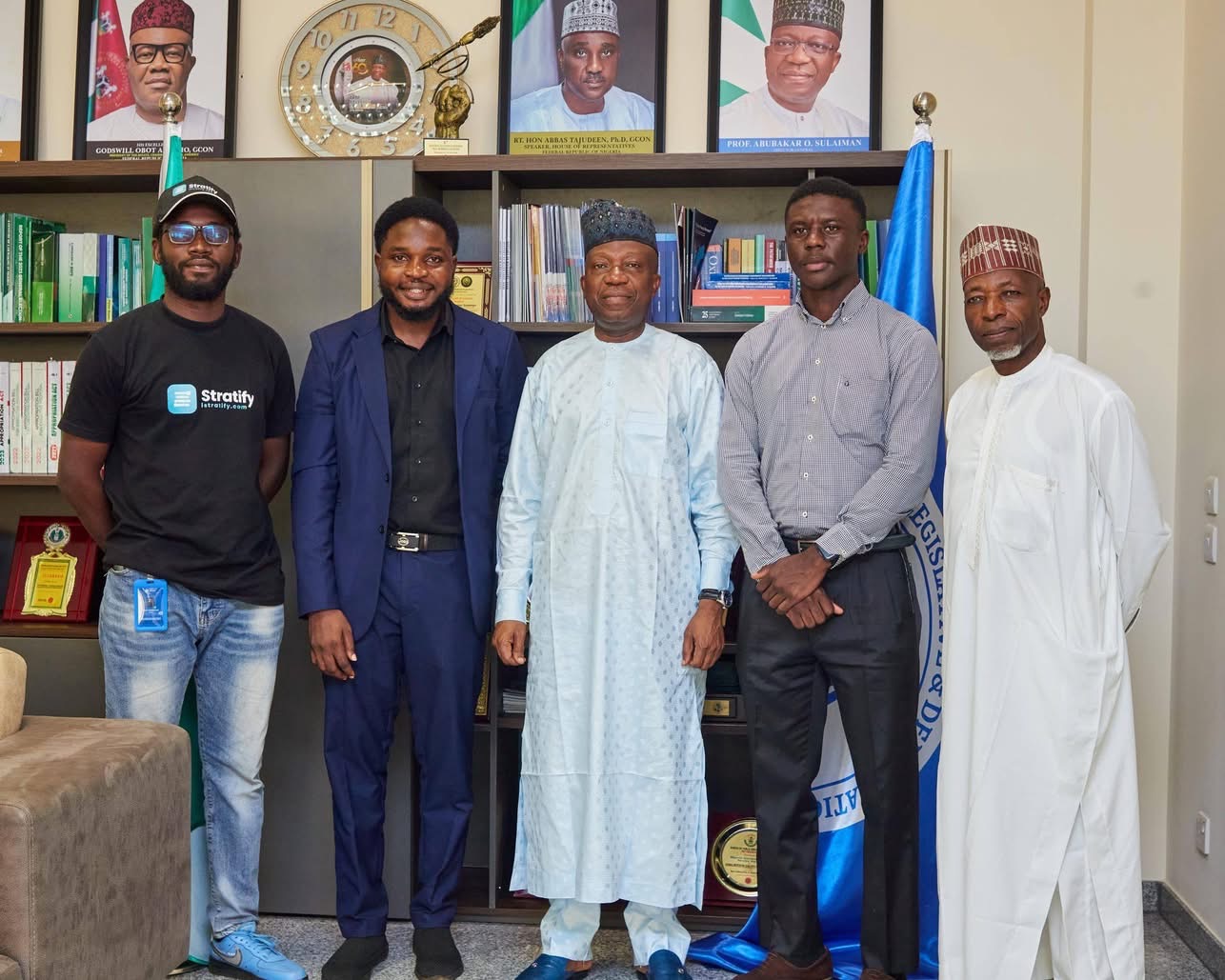
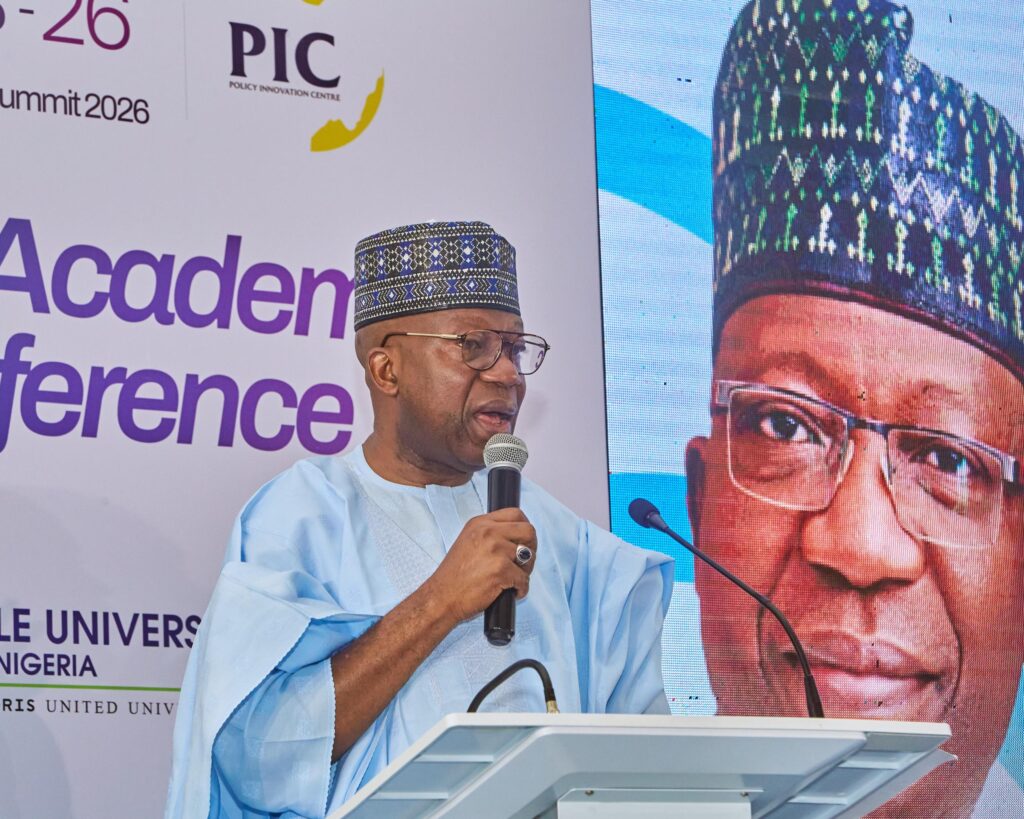
The Director General, National Institute for Legislative and Democratic Studies, NILDS, Prof. Abubakar O. Sulaiman has called on policymakers, researchers, and other stakeholders to move beyond policy formulation and focus on delivering measurable, evidence-based outcomes that directly impact citizens, particularly vulnerable communities.
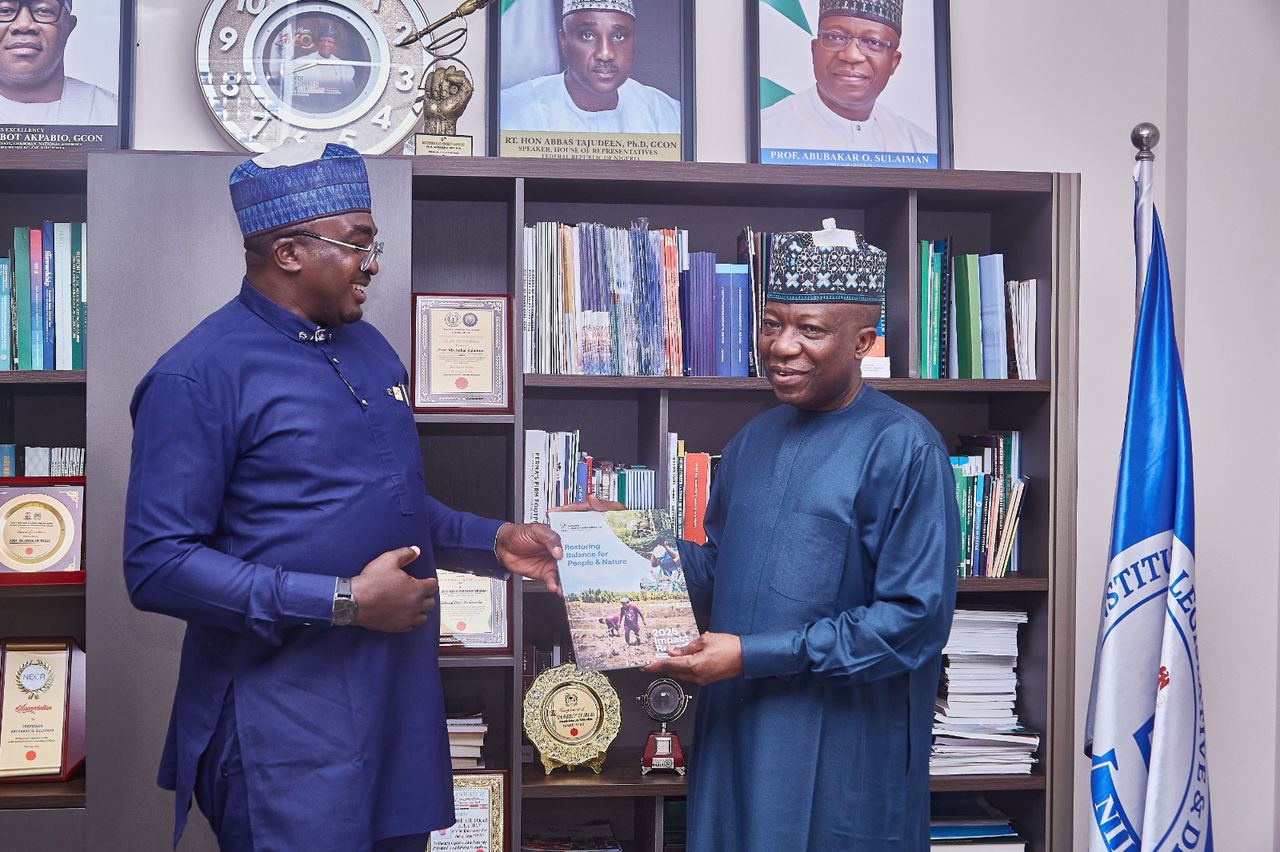
Prof. Sulaiman made the call while speaking at the opening of the Gender Summit 2026 (GS26) Academic Conference, organised by the Policy and Innovation Centre (PIC) in collaboration with NILDS, Nile University of Nigeria, Co-Impact and the West African Postgraduate College of Pharmacists, WAPCP.
The Director General stressed the need for development and gender policies to translate into tangible improvements in the lives of citizens at the grassroots.
Prof. Sulaiman observed that several challenges continue to hinder the effective implementation of national policies, particularly at the last mile.
He identified infrastructure deficits as one of the major challenges, noting that millions of Nigerians still lack reliable access to grid electricity, limiting access to essential services such as vaccine cold-chain storage, digital agricultural extension services and modern agricultural processing in rural communities.
The Director General also highlighted the high cost of delivering essential healthcare, technology, and other services to low-income communities, stressing that the cost of implementation often determines whether innovations reach the people who need them most.
He further identified gaps in digital and financial literacy as another significant barrier, noting that limited literacy and accessibility in rural communities can prevent citizens from benefiting fully from technological and financial innovations.
To address these challenges, Prof. Sulaiman called for a shift from “proof of concept” to what he described as “proof for scale,” urging stakeholders to develop solutions that can be effectively deployed and sustained across underserved communities.
He advocated for greater use of frugal engineering and hyper-localised solutions suited to low-bandwidth and off-grid environments, including USSD-based platforms and solar-powered technologies.
The Director General also called for stronger collaboration among academia, industry and government through improved data-sharing and funding mechanisms, while emphasising the need to treat implementation, distribution and community adoption as areas requiring continuous research and evidence-based assessment.
Speaking on the role of the legislature, Prof. Sulaiman reaffirmed NILDS’ commitment to strengthening policy frameworks, promoting gender inclusion, and supporting the participation and empowerment of young people and persons living with disabilities.
He stressed that democratic governance can not be considered complete without equity, inclusion, and meaningful participation by all segments of society.
The conference is expected to provide a platform for researchers, policymakers, and other stakeholders to examine practical approaches to advancing gender equality, inclusion, and sustainable development in Nigeria.